These are civil allegations that have not been tried and on which no court has entered findings. Brooks has denied the allegations. This page reports procedural status.
Every survivor weighing a claim eventually reaches the same calculation: is it worth having the worst thing that happened to me become a permanently searchable public record attached to my name? The anonymity fight in this case is that calculation, argued in front of a judge.
Case status
PretrialHow courts decide anonymity
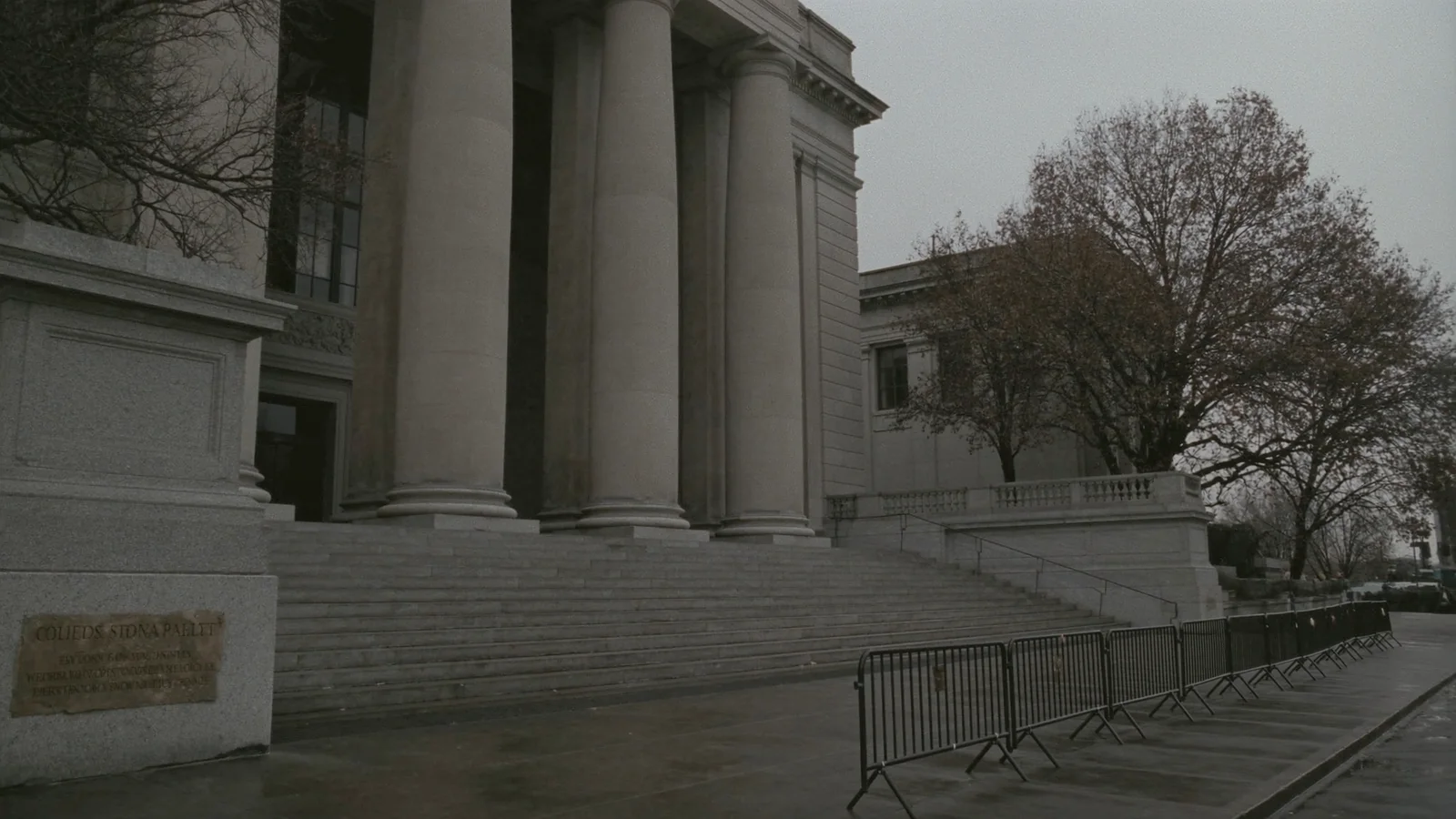
There is no single national rule. Federal Rule of Civil Procedure 10(a) requires a complaint to name every party, and courts treat proceeding under a pseudonym as an exception to it rather than as a right. Each circuit has built its own multi-factor test for when that exception applies. The Eleventh Circuit's in Doe v. Frank, 951 F.2d 320 (1992), and the Third Circuit's in Doe v. Megless, 654 F.3d 404 (2011), are representative, and state courts apply their own. The factors that recur across nearly all of them:
- Is the matter highly sensitive and intimate? Sexual assault allegations weigh strongly in favor of anonymity on this factor.
- Is there a risk of retaliation or harm? To the plaintiff, their family, their employment, or their safety.
- Was the plaintiff a minor at the time? A significant factor in favor.
- Is the plaintiff challenging government action or a private party? Anonymity is more readily granted in the former.
- Does anonymity prejudice the defendant? The defendant learns the identity regardless, so the argument is usually about reputational asymmetry and public accountability rather than about the ability to defend.
- Is there a public interest in knowing the identity? Courts are generally more receptive to this argument where the defendant is a public figure.
This misunderstanding stops people from filing. Proceeding as a Jane Doe means the public docket uses a pseudonym. The defendant and their lawyers still learn who you are, because they must in order to defend, usually under a protective order entered under Rule 26(c) limiting what they can do with the information. What you are shielded from is the internet, the press, and everyone who would search your name for the rest of your life.
The asymmetry nobody argues about
A defendant in a case like this is named, which is genuinely a serious consequence for someone who denies the allegations. That is the strongest version of the argument against anonymity, and it deserves to be taken seriously rather than dismissed.
The counterweight is that the two exposures are not equivalent in kind. A public figure accused of misconduct has resources, counsel, and a public platform to respond. A survivor named on a docket has none of those, and the association attaches to their name permanently in a way that no later vindication removes. Courts weighing anonymity are, in substance, deciding how to allocate an unavoidable asymmetry, not whether one exists.
Questions we are asked most
The default rule in American courts is that litigation is public. Parties are named, filings are accessible, and the public can see who is accusing whom. Courts treat that openness as a structural safeguard rather than a formality, so anonymity is an exception that must be justified. A defendant will typically argue that being publicly accused by an unnamed person is unfair, that anonymity hampers the defense, and that a plaintiff seeking damages should not be shielded from scrutiny.
You face a choice, and it is a real one: proceed under your own name or dismiss the case. This is why the question is litigated early: before discovery, before depositions, and before anything becomes public. A good attorney raises it at filing rather than after your name is already on a public docket.
No. Anonymity in this context means the public docket uses a pseudonym. The defendant and their counsel learn your identity, usually under a protective order restricting what they may do with it. Anonymity shields you from the public and the press, not from the person you are suing.
Generally yes. Courts weigh several factors, and abuse suffered as a minor, the highly sensitive and intimate nature of the allegations, risk of retaliation, and risk of further psychological harm all count in favor. It is still not automatic, and outcomes vary by circuit and by state.
Not as binding precedent for most people, but rulings in visible cases get cited and they shape what judges and defense counsel treat as normal. That is precisely why this dispute matters beyond the parties to it.
Say so in your first conversation with an attorney. It is a question to resolve before filing, not after, and it changes how the case is prepared from day one. Read filing anonymously first.
- Docket filings and reporting on the pending civil matter, including the dispute over pseudonymous filing.
- Federal Rule of Civil Procedure 10(a) and the circuit tests governing when a party may proceed under a pseudonym.
- Doe v. Frank, 951 F.2d 320 (11th Cir. 1992); Doe v. Megless, 654 F.3d 404 (3d Cir. 2011), representative multi-factor anonymity frameworks.
Status reflects public reporting as of August 2026. The allegations are untried.