
The abuse cases that are
actually moving, and what they mean for you.
Los Angeles County agreed to pay roughly $4.8 billion to survivors of its juvenile halls and foster homes. 4,916 federal cases were pending in the Uber MDL on October 1, 2026. Ten states had sued Roblox by July 30, 2026, and three have sued Discord. We track every one of these dockets and translate them into the only question that matters: is a claim still possible for you?
When the institution knew, and kept the doors open
The largest abuse settlements in American history did not come from individual predators. They came from organizations that received complaints, moved staff, sealed records, and let it continue. These are the fronts we track most closely.

LA County juvenile facilities
$4 billion approved in April 2025 for about 6,800 claims of abuse in County facilities and programs dating to 1959, and up to $828 million more that October. The County calls the two together the largest such settlement in American history. It is now mostly a payout fight: the $4 billion is paid over five fiscal years starting FY 2025–26, and the County reports more than 6,000 further claims outside both settlements.
Paying out · still accepting claims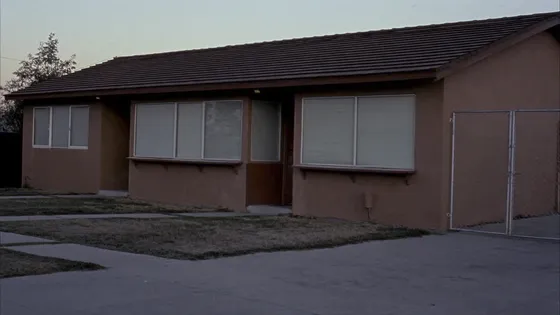
LA County foster care
Foster placements are folded into the same County settlements as the juvenile halls, but the facts are different: private foster homes, group homes, and MacLaren Children’s Center, with placement records that are often the only surviving proof a child was ever there. Different evidence, same claims process.
Covered by the County settlements
Boy Scouts of America
The bankruptcy plan, funded with about $2.48 billion, is now final. On January 12, 2026 the Supreme Court declined to hear a challenge from 75 survivors who argued the plan wrongly blocks them from suing councils, churches, and other chartered organizations. The Scouting Settlement Trust is paying claims, for now at 4.7% of each allowed amount.
Final · distributions ongoing
Catholic dioceses
State legislatures keep opening revival windows that briefly reopen expired claims; dioceses respond by filing Chapter 11, which freezes lawsuits and channels everything into a bankruptcy trust. Whether you file, and when, changes what you can recover.
New filings & bankruptcies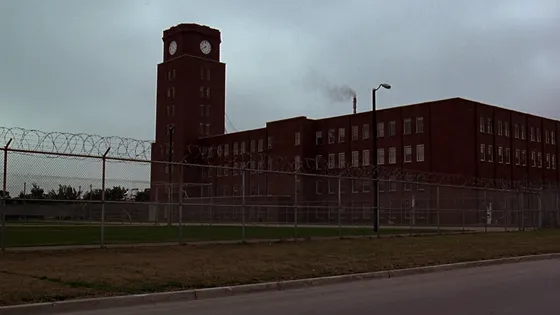
Juvenile detention nationwide
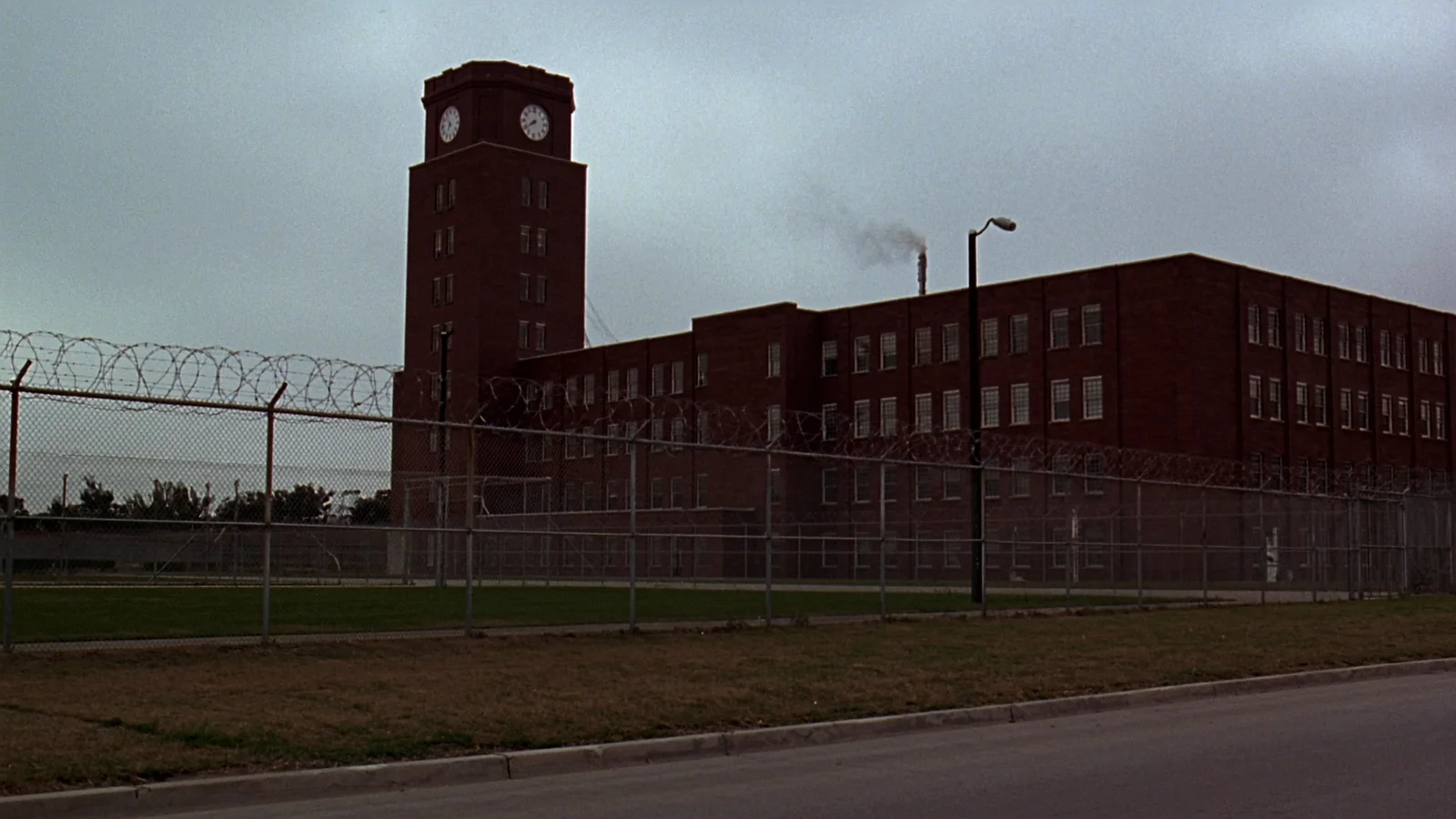
Los Angeles is not the only one. Survivors have brought claims against state and county youth facilities in Illinois, Maryland, Michigan, New Hampshire, New Jersey, and beyond. Each one turns on that state’s sovereign-immunity rules and its own filing deadline.
Active in multiple states
Is your deadline still open?
Most survivors assume too much time has passed. Often that is wrong. Delayed-discovery rules, minority tolling, and legislative revival windows have reopened claims from the 1960s and 1970s. Our state-by-state table shows where the door is open, where it is closing, and where it has shut.
50-state referenceState systems, prisons and dioceses
 Juvenile facility cases by state
A map of the youth facility cases we track, with each state’s courts and deadlines
Juvenile facility cases by state
A map of the youth facility cases we track, with each state’s courts and deadlines
 Prisons and jails
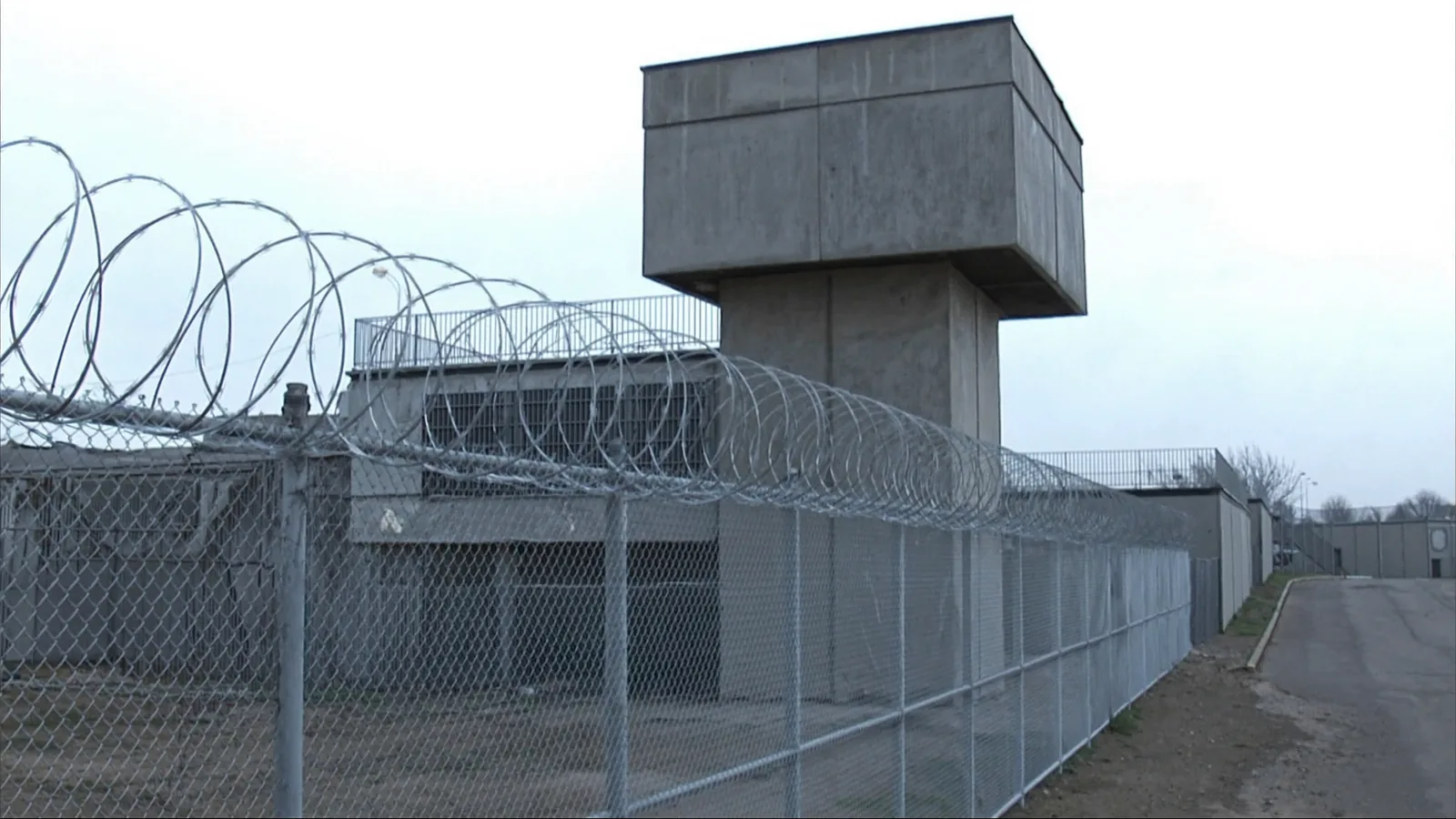
Federal and state prisons and city jails, including the FCI Dublin cases
Prisons and jails
Federal and state prisons and city jails, including the FCI Dublin cases
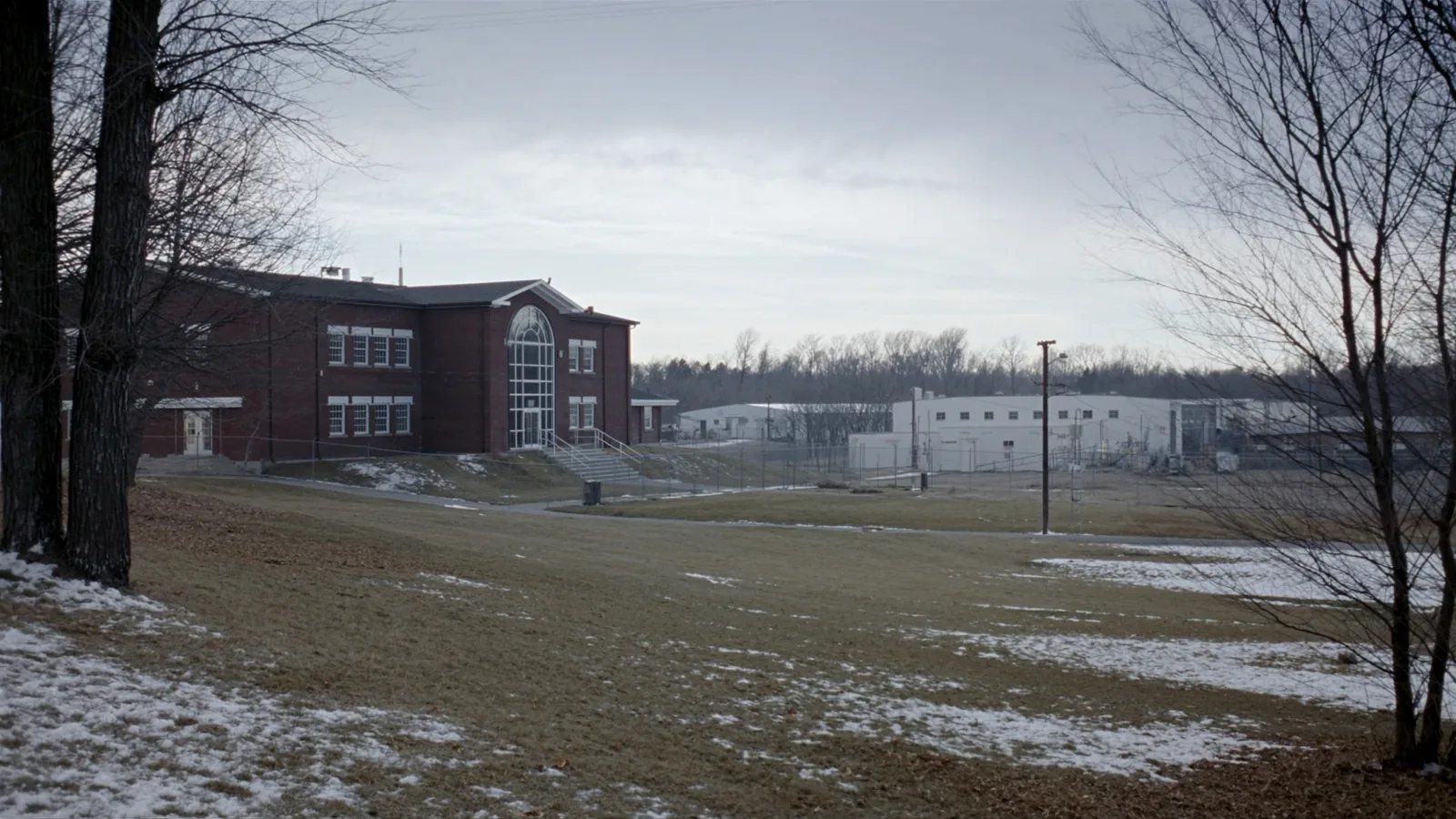 New Hampshire YDC
The state settlement fund and the appeals still pending
New Hampshire YDC
The state settlement fund and the appeals still pending
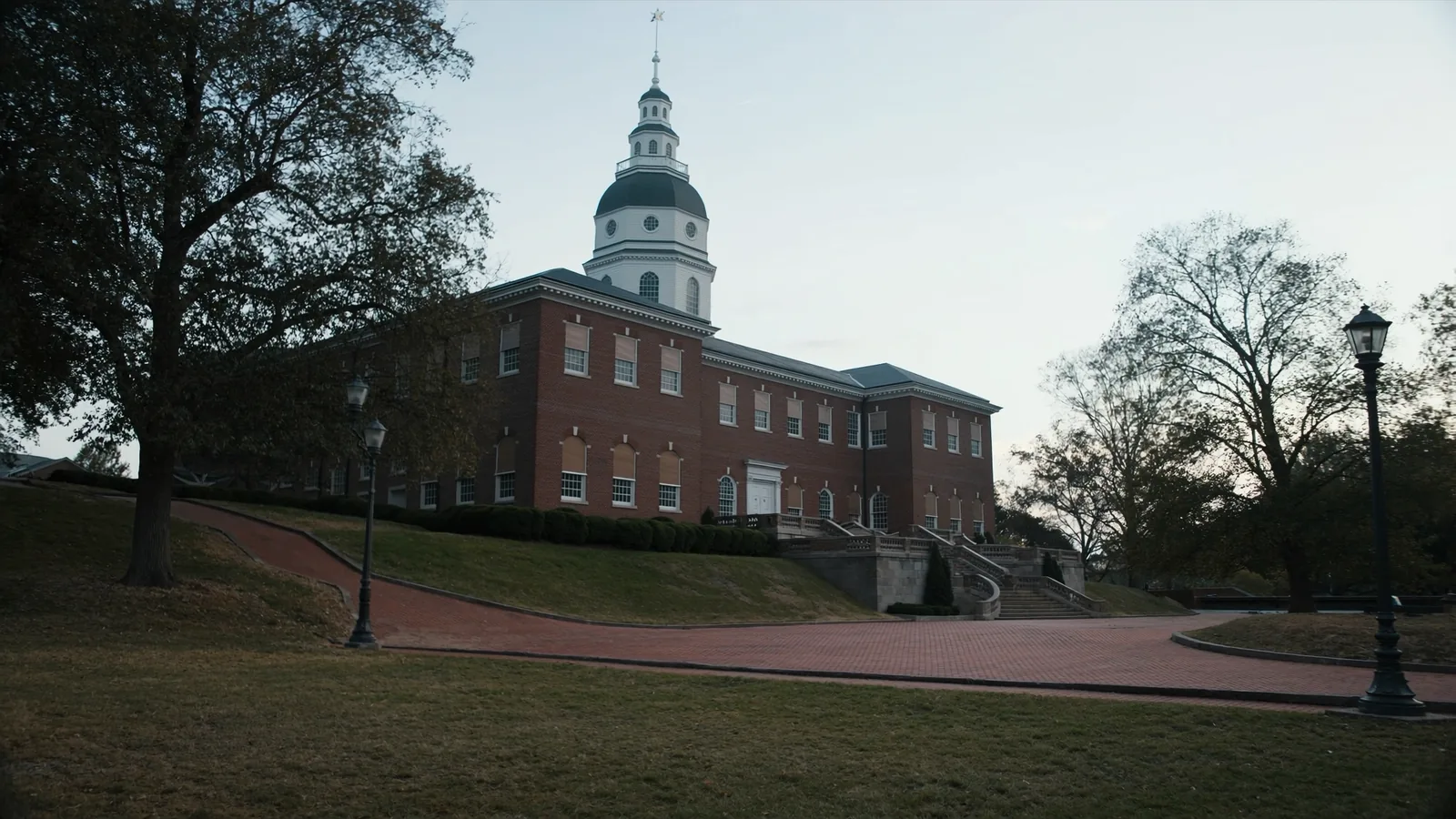 Maryland Child Victims Act
State facility claims, the Baltimore archdiocese bankruptcy and the damage caps
Maryland Child Victims Act
State facility claims, the Baltimore archdiocese bankruptcy and the damage caps
 California diocese bankruptcies
Six dioceses in Chapter 11, case by case
California diocese bankruptcies
Six dioceses in Chapter 11, case by case
The litigation map
Abuse litigation is not evenly spread across the country. It clusters where legislatures reopened expired claims, where a bankruptcy court sits, and where an attorney general decided to act. Select a state to see what is live there as of August 2026.
Tile map: each square is a state, arranged geographically. Tap a colored state to read what is live there, or any other state to open its filing deadlines.
The newest front: companies that built the room
The argument in these cases is not that the company committed the assault. It is that the company designed a system that put a stranger and a vulnerable person alone together, marketed it as safe, and then declined to fix known failures.
MDL No. 3084 · N.D. Cal.
Uber sexual assault litigation
Uber won the first state trial in 2025, then lost two federal bellwethers in 2026, including an $8.5 million verdict in Arizona. Before the second trial, in North Carolina, Judge Breyer ruled that Uber is a common carrier owing passengers a non-delegable duty of safety, according to news reports. Uber has appealed that $5,000 verdict, saying the jury was incorrectly instructed on liability. The common carrier question reaches far beyond rideshare.
MDL + state AG actions
Roblox & Discord
Arkansas sued both platforms on June 11, 2026, alleging a “two-stage predatory pipeline”; Indiana sued both on May 6, 2026, and Texas sued Discord on May 22. Nevada settled with Roblox for $12.5 million in an April 15, 2026 consent judgment, and West Virginia announced an $11.08 million settlement on April 21. Both companies deny the allegations.
Case tracker
We follow these because they set the terms everyone else litigates under: anonymity, revival windows, and what a jury will do with a decades-old claim. Every allegation described below is an allegation unless a court has found otherwise.
Sean Combs
Dozens of civil suits proceed while he serves a 50-month federal sentence. A Los Angeles judge refused in March 2026 to dismiss a suit by producer Jonathan Hay, and a new suit arrived in June 2026 from an anonymous former child actor over an alleged 2007 incident. His $100M defamation suit against NBCUniversal was dismissed in April 2026.
Active · dozens of civil suits
Epstein estate & enablers
In February 2026 Epstein’s former lawyer and accountant, the co-executors of his estate, agreed to a class settlement of up to $35 million in a case accusing them of building the financial infrastructure of the trafficking operation. Neither admits wrongdoing. Judge Arun Subramanian has set the final approval hearing for December 2, 2026.
Up to $35M · final approval pending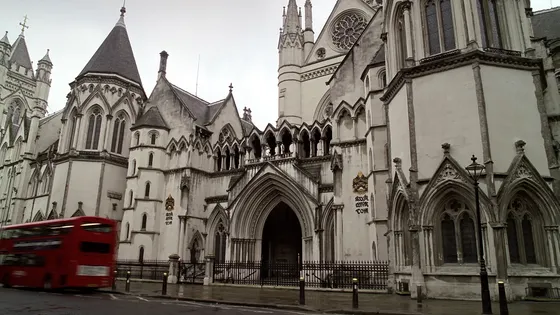
Kevin Spacey
The three civil claims against him in London were settled before the October 2026 trial, the BBC reported on March 19, 2026, with terms not made public. He denies the allegations, and a London jury acquitted him of nine criminal charges in 2023.
Reported settled before trial
Garth Brooks
A federal judge in Mississippi denied his accuser’s request to proceed under a pseudonym in September 2025, and she appealed; no decision had been reported as of October 5, 2026. Brooks denies the allegations. Whether a survivor must publish their name to sue decides whether many cases are ever filed at all.
Pretrial · anonymity on appeal
E. Jean Carroll v. Trump
The Supreme Court declined in June 2026 to hear the appeal of the 2023 verdict, leaving the $5 million judgment intact. A separate $83.3 million defamation judgment is still before the Court. The 2023 case remains the clearest modern proof that a decades-old claim, filed under a revival window, can be tried and won.
2023 verdict final
Can I sue without using my name?
Often, yes, but it is not automatic. Courts weigh the survivor’s privacy against the defendant’s right to face the accuser publicly, and the standard varies by circuit and by state. Here is how John Doe and Jane Doe filings actually work.
Legal guideA small number of adults, total control, and no one outside the building to tell.
It describes a juvenile hall in 1974 and a private message channel in 2026 equally well. That is why the same negligence law reaches both, and why the institution, not only the individual, is the defendant.
Find your situation
Every page below explains how claims work for that kind of place or that kind of harm, which cases are active, and which deadlines apply. Each is checked by the reviewing attorney before it is published.
Where it happened
18 kinds of institutionWhat happened
All types of abuseTwo things survivors most often get wrong
The first is assuming the deadline has passed. The second is assuming a civil claim requires a criminal conviction, a police report, or physical evidence. Neither is true in most states.
Statute of limitations
Deadlines by state for childhood and adult sexual abuse claims, plus which revival windows are open, closing, or already gone.
How a claim actually works
From first call to resolution: what you have to prove, what you will be asked, what a deposition involves, and how long each stage takes.
Settlements & compensation
How bulk settlements, bankruptcy trusts, and individual verdicts differ, and why the headline number is rarely what a claimant receives.
Support that isn’t legal
Hotlines, therapy that is trauma-informed, and what to do tonight if you are not ready to talk to anyone about a lawsuit.
Reporting abuse
Reporting to police, to a licensing board, or to nobody at all, and what each choice does and does not do to a civil claim.
For families
If someone you love has disclosed abuse: what helps, what quietly hurts, and how to act without taking the decision away from them.
Litigation updates

Roblox MDL passes 170 cases
The Judicial Panel on Multidistrict Litigation counted 177 cases pending in the Roblox multidistrict litigation on August 3, 2026. Roblox denies the allegations.
Read the update →
Uber MDL reaches 3,940 federal cases
3,940 cases were pending on July 1, 2026, up from 3,571 on June 1. By October 1 the count had reached 4,916. Uber denies the allegations.
Read the update →
Supreme Court declines to hear Carroll v. Trump
The Court denied review of the 2023 Carroll verdict and denied rehearing on August 17, ending the appeals of the $5 million judgment. A separate $83.3 million judgment is still before the Court.
Read the update →You do not have to be sure before you ask.
Most people who contact us start with a question, not a case: does what happened to me count, and is it too late? Both have answers. The review is free, private, and creates no obligation of any kind.
Free and confidential · No fee unless you recover
