For years the standard advice to a survivor with a thirty-year-old claim was that even if a revival statute technically allowed the filing, no jury would credit it and no appellate court would let it stand. This case is why that advice is no longer honest.
Case status
ClosedWhat actually happened
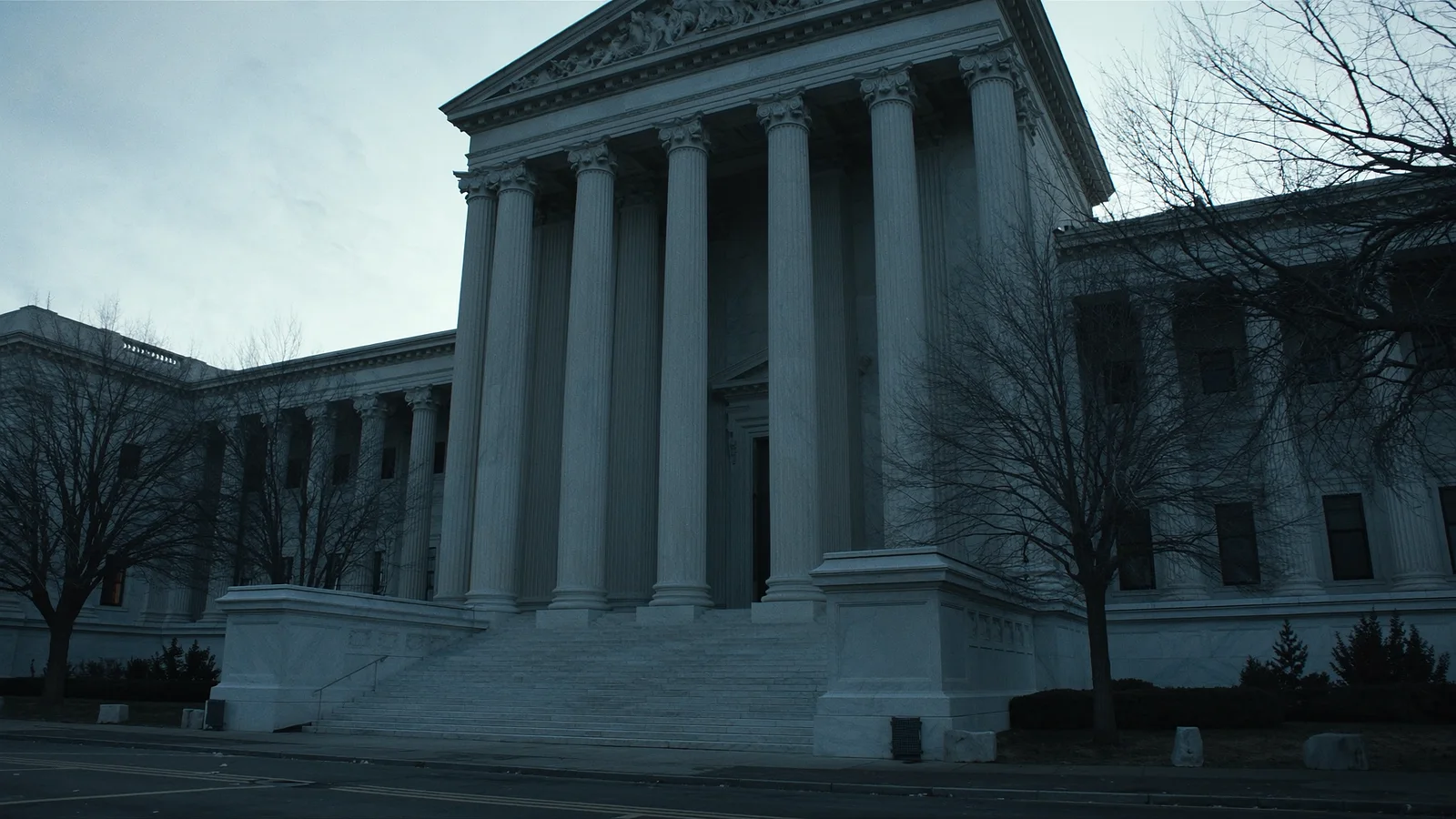
For one year, adults who had been sexually assaulted could file civil claims regardless of how long ago the assault occurred, and regardless of whether the ordinary limitations period had expired.
The claim, which concerned conduct decades earlier, was tried to a jury in federal court in New York, which found for the plaintiff.
The verdict and judgment survived post-trial motions and appellate review.
Certiorari denied. The judgment stands, and the litigation ends.
What it established in practice
None of this is binding precedent for most survivors. It is a district court judgment affirmed within one circuit, and no court elsewhere is required to follow it. Its importance is of a different kind.
- Revival statutes work when tested. The window was used, the case was filed within it, and the resulting judgment withstood every challenge including a certiorari petition.
- Juries will credit decades-old accounts. The most common defense theory in these cases is that memory that old cannot support a verdict. A jury disagreed, in public, with the whole country watching.
- Resources do not guarantee a defense. The defendant had every procedural and financial advantage available. It did not change the outcome.
- A denial of certiorari ends things. Worth stating clearly because it is routinely misreported: the Court did not endorse the decision below. It declined to review it, which is a different thing with the same practical effect.
The window that made this case possible has closed. Others are open right now, and legislatures keep enacting new ones. Revival windows are deliberately time-limited, and that is the entire design, so whether one is available to you is a question with an expiry date. Check your state on our deadline reference.
Questions we are asked most
It declined to hear the appeal. A denial of certiorari is not a ruling on the merits. The Court reviews only a small fraction of the petitions it receives and a denial says nothing about whether the decision below was correct. What it does is end the litigation. With review denied, the 2023 verdict and the $5 million judgment stand and no further challenge is available.
New York's Adult Survivors Act, effective from November 2022 for one year, opened a window in which adults who had been sexually assaulted could file civil claims regardless of how long ago the assault occurred and regardless of whether the ordinary limitations period had run. It was the adult counterpart to the state's earlier Child Victims Act.
Because of that window. The underlying claim had been time-barred under New York's ordinary limitations period for decades. The Adult Survivors Act revived it for a defined period, the claim was filed within that period, and it proceeded to a jury trial like any other civil case.
Not as binding precedent in most courts, because it is a district court judgment affirmed on appeal within one circuit. Its significance is demonstrative rather than doctrinal. It established, publicly and against an extraordinarily well-resourced defendant, that a decades-old revived claim can be filed, survive every procedural challenge, be tried to a jury, win, and hold up through the full appellate process. Before this case, defense counsel routinely argued that such claims were unprovable in practice.
Some are open, some are closing, and some have already closed permanently. New York's Adult Survivors Act window has passed. Other states have windows open now, and legislatures continue to enact new ones. Because these windows are time-limited by design, the only reliable way to know your position is to check the current status for your state on our statute of limitations page, then confirm it with counsel.
- U.S. Supreme Court order denying certiorari, June 2026.
- Jury verdict and judgment, U.S. District Court for the Southern District of New York, 2023; subsequent Second Circuit review.
- New York Adult Survivors Act, CPLR § 214-j, a one-year revival window effective November 2022.
- New York Child Victims Act, CPLR § 214-g, the earlier childhood revival window.